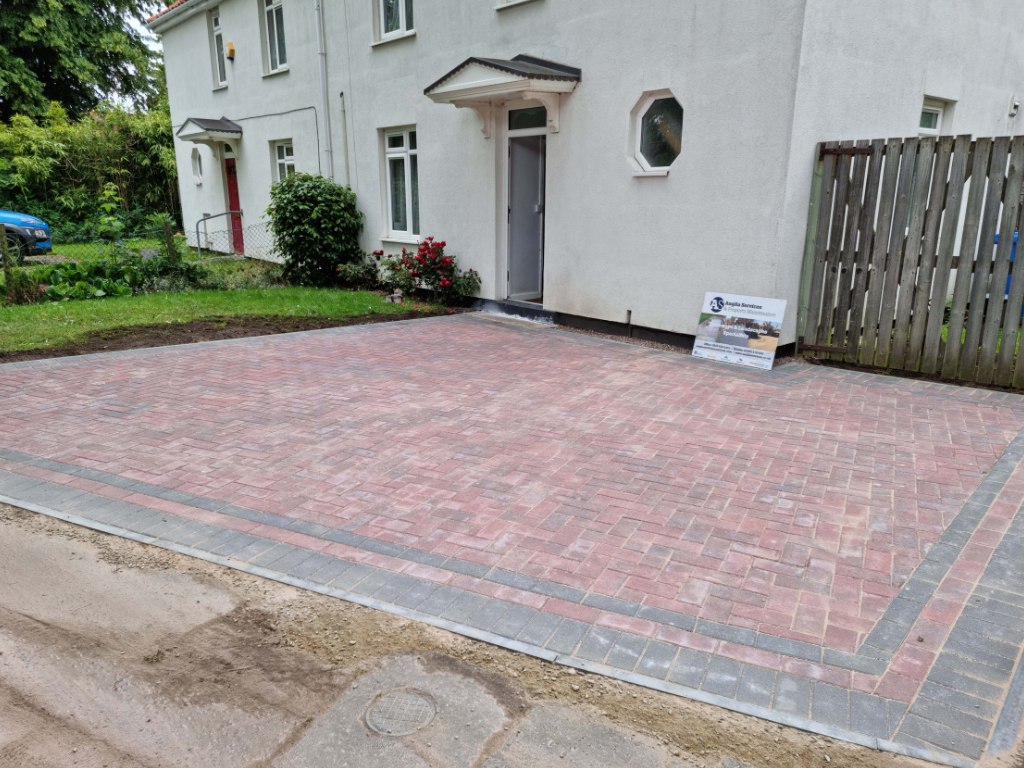
Can Individual Damaged Blocks Be Replaced Without Disturbing the Whole Driveway?
One of the practical advantages of a block paved driveway is that the surface consists of individual paving units rather than one continuous layer. If a small number of blocks become cracked, chipped, stained or otherwise damaged, it may therefore be possible to remove and replace the affected units without taking up the entire driveway.
However, successful localised repairs depend on more than simply swapping one block for another. The condition of the bedding layer, surrounding blocks, jointing material and underlying construction should also be considered. If damage has developed because the driveway is moving or sinking underneath, replacing the visible blocks alone may not resolve the problem.
For property owners in Wollaston, Northamptonshire, Wollaston Driveways & Patios can assess damaged block paving and determine whether individual replacement or more extensive remedial work is appropriate.
Why Is Block Paving Well Suited to Localised Repairs?
Block paving is constructed using individual units laid together to form the finished surface.
This modular construction means particular blocks can often be carefully lifted while leaving most of the surrounding driveway intact.
Localised Replacement May Be Possible When:
- One or two blocks are cracked
- A small area has been chipped
- Individual blocks have become badly marked
- A limited section has been damaged
- The surrounding paving remains stable
- The underlying bedding remains in suitable condition
Where these conditions apply, there may be little reason to disturb an otherwise serviceable driveway.
What Causes Individual Driveway Blocks to Become Damaged?
Before replacing anything, it is useful to understand why the damage occurred.
A block can sometimes suffer isolated physical damage while the rest of the driveway remains perfectly sound. In other situations, the damaged block may be a symptom of a problem beneath the surface.
Possible Causes Include:
- Repeated vehicle loading
- Impact damage
- Movement within the driveway
- Poor support beneath individual blocks
- Deterioration around the affected area
- Previous unsuitable repairs
- Localised settlement
Identifying the cause helps determine whether replacing the block itself will provide an effective repair.
How Are Individual Blocks Removed?
A damaged block needs to be lifted carefully so that unnecessary disturbance to neighbouring paving is avoided.
Once removed, the exposed area provides an opportunity to inspect what lies beneath.
The Repair Area Can Then Be Checked For:
- Bedding condition
- Uneven support
- Localised settlement
- Contamination
- Movement
- Damage to neighbouring blocks
If the underlying materials remain stable, the replacement process can usually remain highly localised.
What Happens Beneath the Replacement Block?
The replacement block needs consistent support.
If the bedding material has moved or become uneven, simply placing a new block into the existing gap may leave it sitting too high, too low or inadequately supported.
The bedding should therefore be prepared appropriately before the new block is positioned.
Correct Levels Are Important
The replacement should sit consistently with the surrounding driveway.
A block that is noticeably proud of neighbouring paving can create an uneven surface, while one sitting too low may encourage water and debris to collect in the area.
Careful levelling helps the repaired section blend back into the existing driveway.
Can the New Block Match the Existing Driveway?
Matching is an important consideration, particularly on older driveways.
Existing paving changes appearance through weathering, traffic and general outdoor exposure. A newly manufactured replacement block may therefore initially look different even when it is the same basic type.
Where suitable matching blocks are available, careful selection can help make the repair less noticeable.
However, some variation may remain between a new replacement and paving that has been exposed for many years.
What If Several Blocks Are Damaged Together?
A small group of damaged blocks can often still be repaired without disturbing the whole driveway.
The more important question is why several neighbouring blocks have deteriorated.
If the damage is purely at surface level, local replacement may remain suitable.
If the blocks have cracked because the area underneath has moved, the affected section may need to be lifted so that the underlying problem can be corrected before the paving is reinstated.
Sinking Blocks Need More Than Replacement
A block that has sunk is not necessarily defective itself.
The problem may lie underneath.
Localised Sinking Can Be Associated With:
- Movement in the bedding layer
- Insufficient support
- Settlement beneath the paving
- Water-related deterioration
- Previous disturbance
Replacing a perfectly serviceable block without correcting the reason it has sunk will not restore the driveway properly.
In this situation, lifting and relaying the affected section may be more appropriate than simply installing a new block.
What If the Blocks Have Become Uneven?
Uneven paving is another situation where diagnosis matters.
One isolated block may occasionally move, but a larger area developing dips or raised sections can indicate changes beneath the surface.
Look for Patterns Such As:
- Several blocks sinking together
- Wheel tracks developing
- Repeated movement in one area
- Low sections holding water
- Gaps becoming larger
- Blocks moving when walked on
These symptoms suggest that the issue extends beyond cosmetic damage to an individual paving unit.
Why Jointing Material Matters
The joints between blocks contribute to the stability and performance of the paved surface.
When blocks are removed and replaced, the surrounding joints need appropriate attention so that the repaired section is properly integrated back into the driveway.
Ignoring the joints can leave replacement blocks less secure and make the repaired area appear unfinished.
Professional block paving repair considers the complete local section rather than treating the paving units independently.
Can Stained Blocks Simply Be Replaced?
Sometimes a driveway is structurally sound but one or two blocks have become permanently marked.
Where appropriate cleaning cannot achieve a satisfactory improvement, individual replacement may be an option.
This is one of the useful characteristics of block paving. A localised appearance problem does not necessarily require resurfacing or replacing the entire driveway.
The condition and availability of suitable replacement blocks will influence the final result.
What About Chipped Edges?
Minor surface marks do not always affect the usability of a driveway.
However, more substantial chipping can make individual blocks visually prominent and may leave irregular edges.
If the damage is isolated, replacing the affected unit can often restore a more consistent finish without disturbing large areas.
The surrounding blocks should still be checked to ensure the damage has not resulted from wider movement.
When Is Localised Block Paving Repair Most Effective?
Individual replacement works particularly well when the driveway is fundamentally stable.
Good Candidates for Local Repair Typically Have:
- Limited damage
- Stable surrounding paving
- No widespread sinking
- Suitable underlying support
- Sound edges
- No major drainage-related deterioration
- Damage confined to identifiable blocks
In these circumstances, retaining the majority of the existing driveway can be entirely practical.
When Should a Larger Area Be Lifted?
Sometimes removing only the visibly damaged block would not address the actual defect.
A larger section may need attention when:
- Several blocks have moved
- The surface has developed a depression
- Bedding material needs correcting
- Water repeatedly collects in the area
- Previous repairs continue failing
- The paving has become unstable
- Surrounding blocks have lost their levels
Lifting a local section allows the underlying materials to be corrected before the original or replacement blocks are relaid.
This is still very different from unnecessarily replacing the complete driveway.
Does One Cracked Block Mean the Driveway Is Failing?
No.
A single cracked block can be an isolated problem and should not automatically be interpreted as evidence that the complete driveway needs replacement.
What matters is the condition surrounding it.
If neighbouring blocks remain level, stable and undamaged, local replacement may be all that is required.
If cracking is appearing repeatedly throughout the driveway, further investigation is sensible.
Why Professional Assessment Is Useful
The surface of a block paved driveway only shows part of the construction.
A professional driveway contractor can assess whether damage is limited to the blocks or connected to the supporting layers beneath them.
This helps avoid two common problems: carrying out unnecessary extensive work when a local repair would be sufficient, or replacing individual blocks when the real cause of deterioration remains unresolved underneath.
Maintaining a Block Paved Driveway After Repairs
Once damaged areas have been corrected, sensible maintenance can help keep the driveway looking consistent.
Homeowners can pay attention to:
- Developing movement
- Loss of jointing material
- New cracks
- Localised sinking
- Persistent water collection
- Loose blocks
- Changes around driveway edges
Identifying these changes early can allow smaller sections to be addressed before deterioration becomes more extensive.
Block Paving Repairs in Wollaston
At Wollaston Driveways & Patios, we assess damaged block paving throughout Wollaston, Northamptonshire with consideration for both the visible surface and the construction supporting it.
Where damage is genuinely confined to individual blocks, targeted replacement can preserve the majority of an otherwise sound driveway.
Where movement or deterioration exists underneath, the affected section can be assessed so that the cause is addressed rather than simply replacing the most visibly damaged paving.
Conclusion
Yes, individual damaged blocks can often be replaced without disturbing the whole driveway. This is one of the key practical advantages of block paving and can make localised damage relatively straightforward to address when the surrounding driveway remains stable.
The important consideration is why the block has become damaged. A cracked or chipped individual unit may simply require replacement, while sinking, movement or repeated cracking can indicate a problem with the bedding or underlying construction.
Professional assessment ensures that the repair matches the actual cause of the deterioration.
If you have damaged, cracked or uneven block paving at your property in Wollaston, Northamptonshire, Wollaston Driveways & Patios can assess the affected area and provide an appropriate repair focused on restoring the driveway while retaining serviceable existing paving wherever practical.
Call us on: 01933 823 204
Click here to find out more about Wollaston Driveways & Patios
Click here to complete our contact form and see how we can help with your driveway needs.