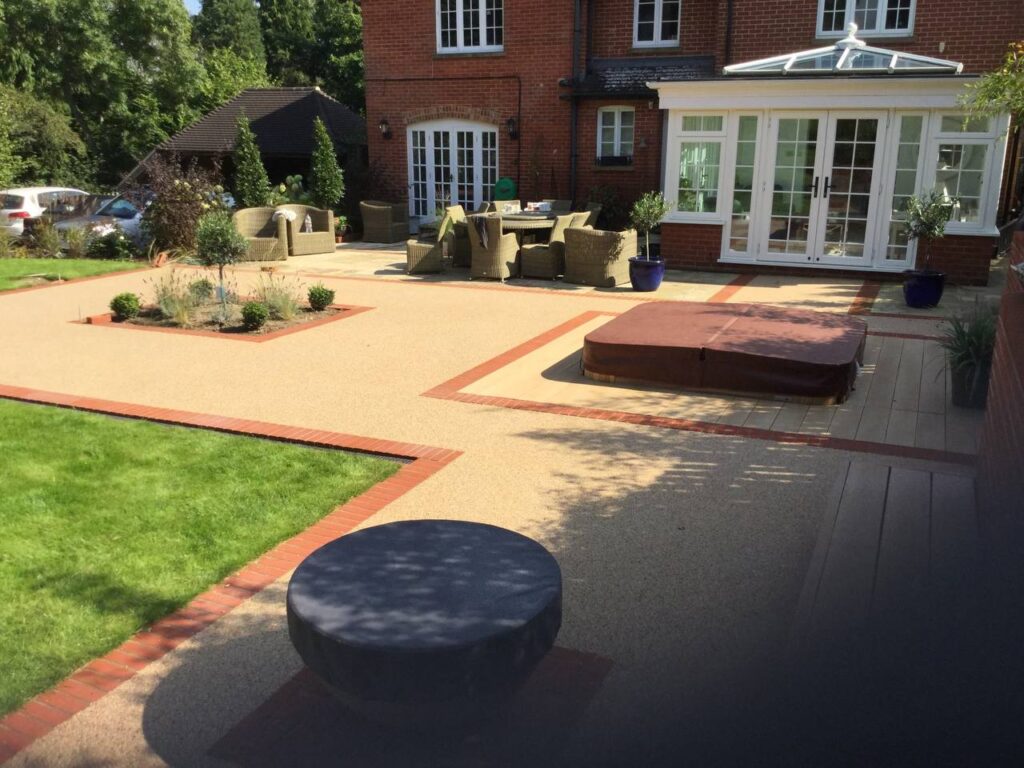
Is Your Patio in the Right Place for How You Actually Use Your Garden?
A patio can be well built and attractively paved yet still receive very little use. The problem is sometimes its location rather than its condition. If the space is too shaded, disconnected from the house or positioned across a busy garden route, it may never feel as practical as intended.
For homeowners in Wollaston, Northamptonshire, reviewing how the garden is genuinely used can reveal whether the existing patio should be retained, extended or repositioned. The right location should support everyday routines while making the wider garden easier to move around and enjoy.
How to Decide Whether Your Patio Is Properly Positioned
There is no single correct position for every patio. A space beside the house may be convenient for dining, while a separate seating area elsewhere in the garden may offer better sunlight or privacy.
The decision should be based on when the patio will be used, what will happen there and how it connects with the rest of the property.
Consider the Main Purpose of the Patio
A patio intended for outdoor meals has different requirements from a quiet seating area. Dining spaces benefit from convenient access to the property, while somewhere used mainly for relaxation may work better in a more secluded part of the garden.
Before changing the layout, consider whether the patio needs to accommodate:
- a dining table and chairs
- informal seating
- regular family use
- garden entertaining
- pots and planters
- access between the house and lawn
- more than one activity at the same time
A clear purpose makes it easier to determine the necessary size, shape and position.
Review Sunlight Throughout the Day
The amount of sunlight a patio receives can significantly influence how often it is used. A space that feels pleasant in the morning may be heavily shaded by the time it is needed later in the day.
Observe the garden at several points throughout the day rather than judging it on one occasion. Buildings, fences, trees and tall planting can all create changing areas of shade.
Full sun is not always preferable. Some households may want partial shade during warmer periods. The important point is to match the location with the times and conditions in which the patio will actually be used.
Check How Easily It Connects With the House
A patio used for meals or frequent entertaining generally benefits from a direct and practical route to the property. If steps are awkward, doors open into furniture or the path is too narrow, regular use can become inconvenient.
The transition should allow people to carry food, drinks and other items without navigating unnecessary obstacles. Finished levels also need careful consideration so the patio connects comfortably with the entrance while directing rainwater away from the building.
Where the best seating position is farther into the garden, a well-designed path can maintain a clear connection without requiring the entire patio to remain next to the house.
Look at Natural Garden Routes
A patio should not obstruct the routes people regularly take to lawns, gates, sheds or other garden areas. If everyone must walk through the middle of the seating space, it can feel crowded even when it is reasonably large.
Signs of poor circulation include:
- chairs blocking access when occupied
- people repeatedly crossing between the table and property
- worn grass where an informal route has developed
- narrow gaps around furniture
- steps positioned directly in a busy walkway
Reshaping the patio or adding a separate path can distinguish seating space from movement space.
Think About Privacy and Outlook
The view from the patio and the degree of privacy it provides both affect comfort. A position may be convenient but overlooked, or private but facing an unattractive section of the garden.
Changing the orientation of the seating area can sometimes improve the outlook without moving the entire patio. Planting, fencing and the arrangement of furniture may also help define the space.
If the existing location remains unsuitable despite these adjustments, repositioning the patio may create a more usable area elsewhere in the garden.
Account for Wind and Exposure
An exposed patio can feel uncomfortable even in otherwise pleasant weather. Buildings, boundary fencing and established planting can influence how wind moves through the garden.
A sheltered corner may be suitable for seating, but it should not be chosen without also considering sunlight, drainage and access. Dense surroundings can create excessive shade or restrict air movement.
Reviewing these factors together produces a more balanced location than solving one problem in isolation.
Examine Ground Levels and Drainage
The most appealing part of the garden is not automatically the easiest place to construct a durable patio. Sloping ground, low areas and existing drainage routes all affect the preparation required.
The surface needs a controlled fall so rainfall drains away from the property and does not collect around furniture. Water arriving from higher ground must also be considered before paving is installed.
If the current patio regularly holds water, its position may be contributing to the problem. Correcting levels and drainage could restore its usefulness, although relocation may be more appropriate where the wider site naturally directs water into the area.
Decide Whether One Patio Area Is Enough
Some gardens work better with two smaller paved areas serving different purposes. A practical space near the house can support dining, while a secondary seating area can make use of a sunnier or quieter position.
These areas should be connected by a clear path and designed as part of one coordinated layout. Splitting the patio without considering circulation can leave both sections too small to function comfortably.
The available garden space and intended furniture should guide whether one larger patio or separate zones will work best.
Retain, Extend or Reposition?
Retaining the patio may be sensible when its location works but surface repairs, improved edging or better furniture arrangement are needed.
Extending it can help when the position is convenient but the usable area is too small. Repositioning deserves consideration when the existing space is persistently shaded, exposed, difficult to access or poorly connected with how the garden is used.
A professional assessment can establish whether the existing base and paving are suitable to incorporate into a revised design.
Conclusion
A patio is in the right place when it supports the activities, access routes and times of day that matter to the household. Sunlight, privacy, shelter, drainage and proximity to the property should all be considered together.
If your existing patio in Wollaston, Northamptonshire does not fit how you use your garden, Wollaston Driveways & Patios can assess the layout and recommend a practical way to retain, extend or reposition it. Contact our team to arrange a professional site assessment.
Call us on: 01933 823 204
Click here to find out more about Wollaston Driveways & Patios
Click here to complete our contact form and see how we can help with your driveway needs.