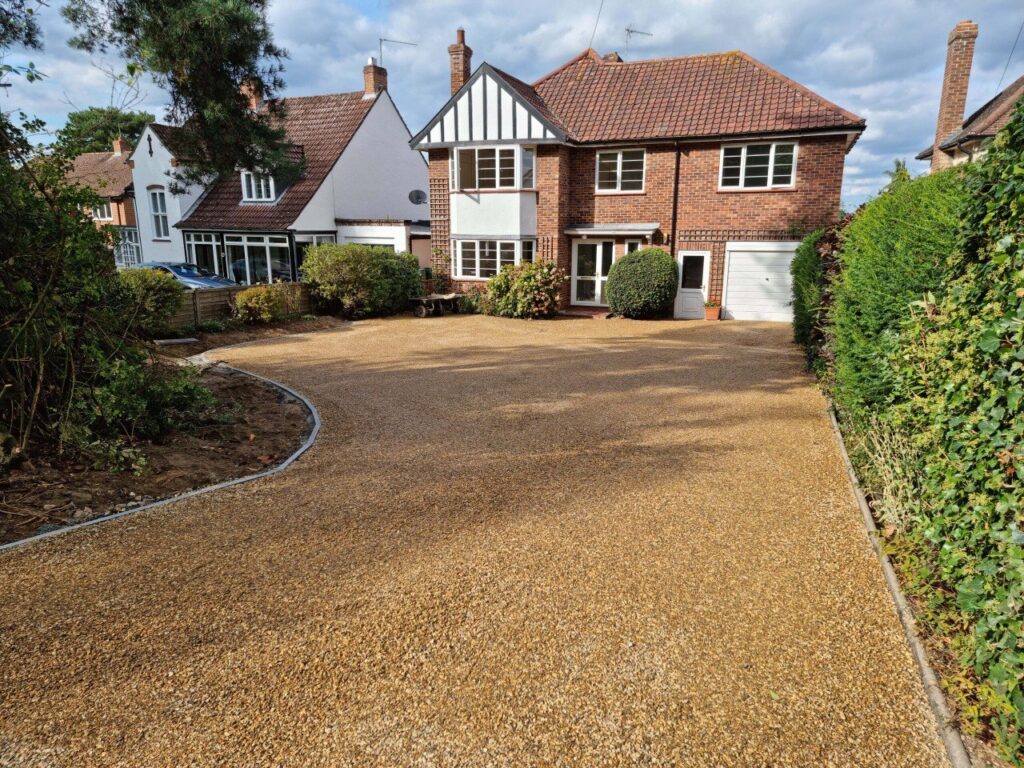
Is Your Tarmac Driveway Worn Out or Just in Need of Attention?
A tarmac driveway can begin to look tired long before it has reached the end of its practical service life. Fading, light surface wear and isolated cracks may affect its appearance without indicating complete failure. In other cases, widespread movement and repeated deterioration can show that the supporting structure is no longer performing correctly.
The key is to determine whether the problem is limited to the surface or extends into the driveway’s underlying construction. For homeowners in Wollaston, Northamptonshire, an accurate assessment can clarify whether maintenance, repair, resurfacing or complete replacement is the most suitable response.
How to Assess the Condition of a Tarmac Driveway
Fading Does Not Necessarily Mean Failure
Tarmac naturally loses some of its deep colour through weather exposure and regular use. A faded driveway may still be firm, level and structurally sound.
Appearance alone should not determine whether replacement is necessary. If the surface remains stable and drains effectively, professional attention may be enough to improve its presentation and deal with any minor defects.
Small Cracks May Be Repairable
An isolated crack does not automatically mean that the entire driveway has failed. Cracks can develop through temperature changes, localised movement or deterioration around a joint or edge.
Early repair can help prevent water from entering the supporting layers and widening the opening. However, the cause should be examined first. Filling a crack without addressing movement beneath it may result in the defect returning.
Loose Surface Material Requires Investigation
Small stones or particles breaking away from the surface can indicate that the tarmac is beginning to lose cohesion. If this fretting is limited to a small area, localised repair may be possible.
Widespread surface loss deserves closer attention because it can expose the lower layers and accelerate deterioration. The depth of the damage will help determine whether repair or resurfacing is appropriate.
Standing Water Can Reveal Level Problems
Water remaining on a driveway after rainfall may indicate depressions, insufficient falls or blocked drainage routes. Persistent pooling can place additional strain on the surface and allow moisture to enter existing cracks.
A shallow, isolated depression may be repairable. If water collects in several areas, the driveway may have experienced broader settlement or may not have been formed with suitable levels. Any drainage issue should be understood before new material is applied.
Sunken Areas May Point to Sub-Base Movement
Tarmac relies on a properly prepared and compacted sub-base. When the underlying material shifts or loses support, the surface above may sink, crack or form wheel tracks.
One small area of settlement can sometimes be excavated and rebuilt locally. Movement across large sections, however, may indicate that the driveway’s foundation is inadequate or has deteriorated. Resurfacing over an unstable base will not provide a dependable solution.
Edge Damage Can Often Be Corrected
Driveway edges are vulnerable when they lack adequate support or are regularly driven over. Crumbling edges can gradually spread into the main surface if they are ignored.
Where the rest of the driveway remains sound, damaged margins may be rebuilt and strengthened. Secure edging helps contain the tarmac and reduces the likelihood of further lateral movement.
When Is Resurfacing Suitable?
Resurfacing involves preparing the existing driveway and installing a new tarmac layer over a suitable base. It can provide a uniform finish when the current surface is worn but the underlying construction remains stable.
A driveway may be suitable for resurfacing when:
- Surface wear is widespread but relatively shallow
- Minor defects can be repaired during preparation
- The driveway remains broadly level
- The sub-base is firm and dependable
- Drainage and edge restraints function correctly
- There is sufficient depth for the new surface
Preparation is essential. Cracks, loose material and failed sections must be treated before resurfacing, or they may affect the new finish.
Signs That the Driveway May Be Worn Out
Complete replacement may be more appropriate when deterioration is extensive or connected to widespread foundation problems. Warning signs include:
- Deep cracks across several areas
- Extensive sinking or deformation
- Recurring potholes and failed repairs
- Large sections breaking apart
- Significant wheel-track depressions
- Persistent drainage problems
- Movement affecting most of the driveway
In these circumstances, removing the failed materials allows the ground, sub-base, levels and drainage to be corrected before a new surface is installed.
Why Repeated Patching May Stop Working
Patching is effective when damage is genuinely localised. If new defects continually appear in different places, the driveway may be deteriorating as a complete system.
Numerous patches can also create inconsistent levels and joints where water may collect. At this stage, broader resurfacing or reconstruction may provide a more coherent result than another isolated repair.
What a Professional Assessment Should Consider
A reliable assessment examines more than the visible tarmac. It should consider:
- The location and pattern of cracking
- Surface firmness and material loss
- Levels, falls and drainage
- Evidence of settlement
- The condition of edges
- Previous repairs and why they failed
- The stability of the supporting layers
These findings establish whether the driveway needs focused attention or whether its construction has reached the point where renewal is more appropriate.
Conclusion
A faded or lightly worn tarmac driveway is not necessarily worn out. Isolated cracks, edge deterioration and small damaged areas may respond well to professional repair, while a stable but tired surface may be suitable for resurfacing.
Replacement becomes more likely when cracking, settlement, drainage problems and repeated failures affect large parts of the driveway. If you are unsure about the condition of your tarmac in Wollaston, Northamptonshire, contact Wollaston Driveways & Patios to arrange a professional assessment and receive clear advice on the most appropriate next step.
Call us on: 01933 823 204
Click here to find out more about Wollaston Driveways & Patios
Click here to complete our contact form and see how we can help with your driveway needs.